Guanzhi Wang

I am a Research Scientist at NVIDIA. My research focuses on post-training of robot foundation models and agentic robotics.

Featured Publications * Equal contribution, † Equal advising
All Publications
ASPIRE: Agentic /Skills Discovery for Robotics
Runyu Lu*†, Yubo Wu*, Ethan Kou*, Max Fu, Wenli Xiao, Ajay Mandlekar, Yinzhen Xu, Guanya Shi, Ken Goldberg, Ang Chen, Mosharaf Chowdhury, Yuke Zhu†, Linxi "Jim" Fan†, Guanzhi Wang†
arXiv preprint, 2026
We introduce ASPIRE, a continual learning system that writes and refines robot control programs, accumulating reusable skills that transfer across tasks, environments, and embodiments.
ENPIRE: Agentic Robot Policy Self-Improvement in the Real World
Conference on Robot Learning (CoRL), 2026
We introduce ENPIRE, a framework that lets coding agents autonomously improve real-world robot policies through automatic resets, outcome verification, and iterative experimentation.
GaP: A Graph-as-Policy Multi-Agent Self-Learning Harness for Variational Automation Tasks
Kaiyuan Chen, Shuangyu Xie, Letian Fu, Justin Yu, William Pacini, Sandeep Bajamahal, Hudson Kim, Jaimyn Drake, Daehwa Kim, Haoru Xue, Jonathan Francis, Christian Juette, Peter Schaldenbrand, Muhammet Yunus Seker, Ruwan Wickramarachchi, Uksang Yoo, Guanzhi Wang, Adithyavairavan Murali, Balakumar Sundaralingam, S. Shankar Sastry, Spencer Huang, Yuke Zhu, Linxi "Jim" Fan, Ken Goldberg
Conference on Robot Learning (CoRL), 2026
We introduce GaP, a multi-agent system that builds executable robot policy graphs and refines them through simulation rehearsal for tasks with varying object geometry and poses.

CaP-X: A Framework for Benchmarking and Improving Coding Agents for Robot Manipulation
International Conference on Machine Learning (ICML), 2026
We present CaP-X, a framework for evaluating coding agents on robot manipulation, with an agent harness for zero-shot control and reinforcement learning to improve code-based policies.
NitroGen: A Foundation Model for Generalist Gaming Agents
Conference on Computer Vision and Pattern Recognition (CVPR), 2026
Best Paper Honorable Mention
We present NitroGen, a vision-action foundation model trained on 40,000 hours of gameplay videos across 1,000+ games that demonstrates strong cross-game generalization.
GR00T N1: An Open Foundation Model for Generalist Humanoid Robots
arXiv preprint, 2025
We present GR00T N1, an open Vision-Language-Action foundation model for generalist humanoid robots.
Voyager: An Open-Ended Embodied Agent with Large Language Models
Transactions on Machine Learning Research (TMLR), 2024
We introduce Voyager, the first LLM-powered embodied lifelong learning agent in Minecraft that continuously explores the world, acquires diverse skills, and makes novel discoveries without human intervention.
MineDojo: Building Open-Ended Embodied Agents with Internet-Scale Knowledge
Neural Information Processing Systems (NeurIPS) Datasets and Benchmarks Track, 2022
Outstanding Paper Award
We introduce MineDojo, a new framework based on the popular Minecraft game for building generally capable, open-ended embodied agents.
DreamGen: Unlocking Generalization in Robot Learning through Video World Models
Conference on Robot Learning (CoRL), 2025
We introduce DreamGen, a 4-stage pipeline for training robot policies that generalize across behaviors and environments through neural trajectories.
iGibson
iGibson 1.0: a Simulation Environment for Interactive Tasks in Large Realistic Scenes
International Conference on Intelligent Robots and Systems (IROS), 2021
We present iGibson, a novel simulation environment for developing interactive robotic agents in large-scale realistic scenes.
Teaching

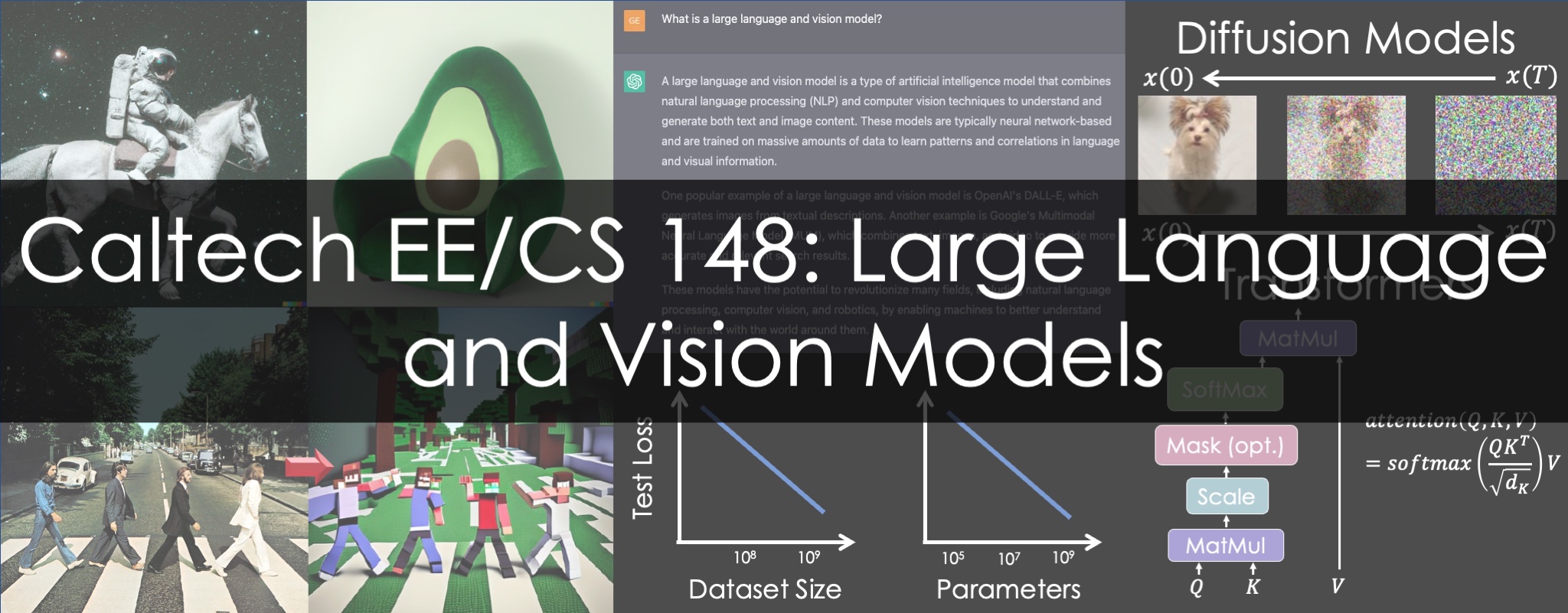
Caltech CS148: Large Language and Vision Models (Spring 2024)

Teaching Assistant

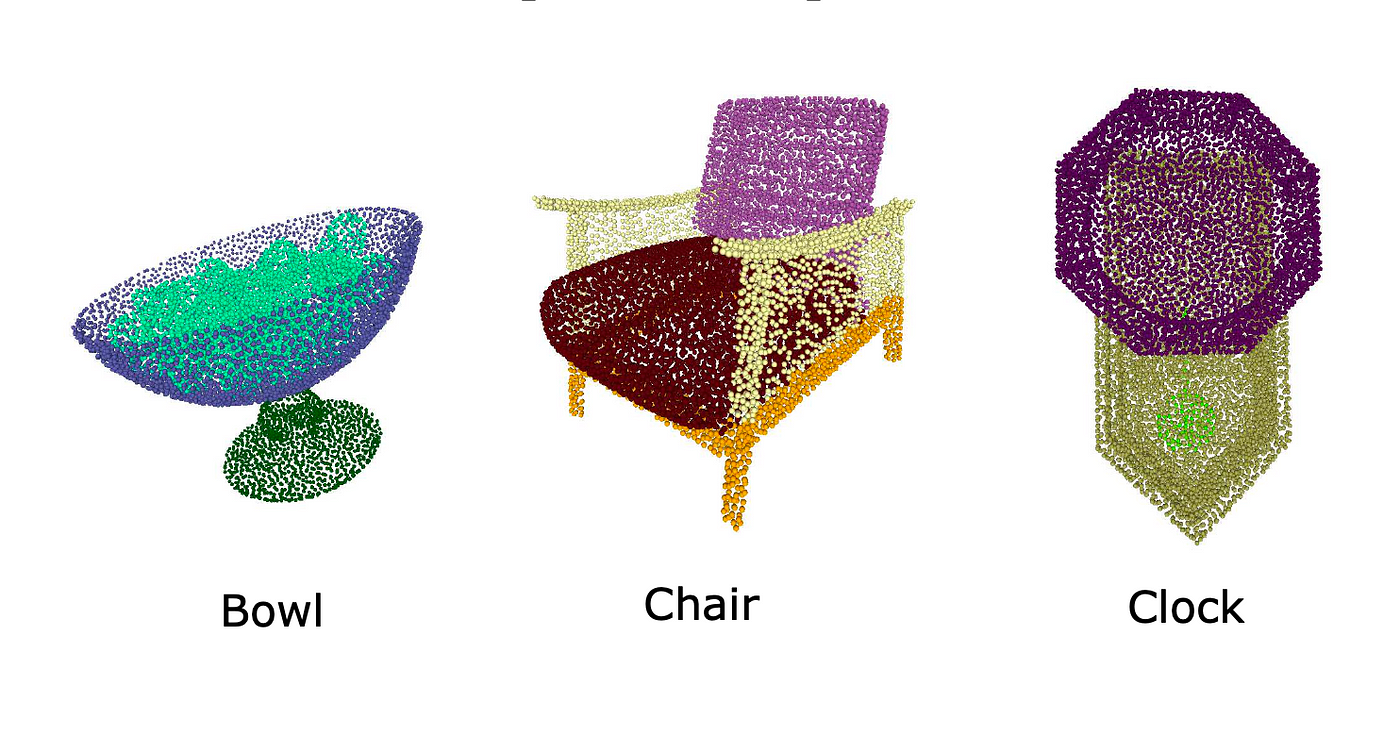
Caltech CS101: 3D Deep Learning (Winter 2024)

Teaching Assistant

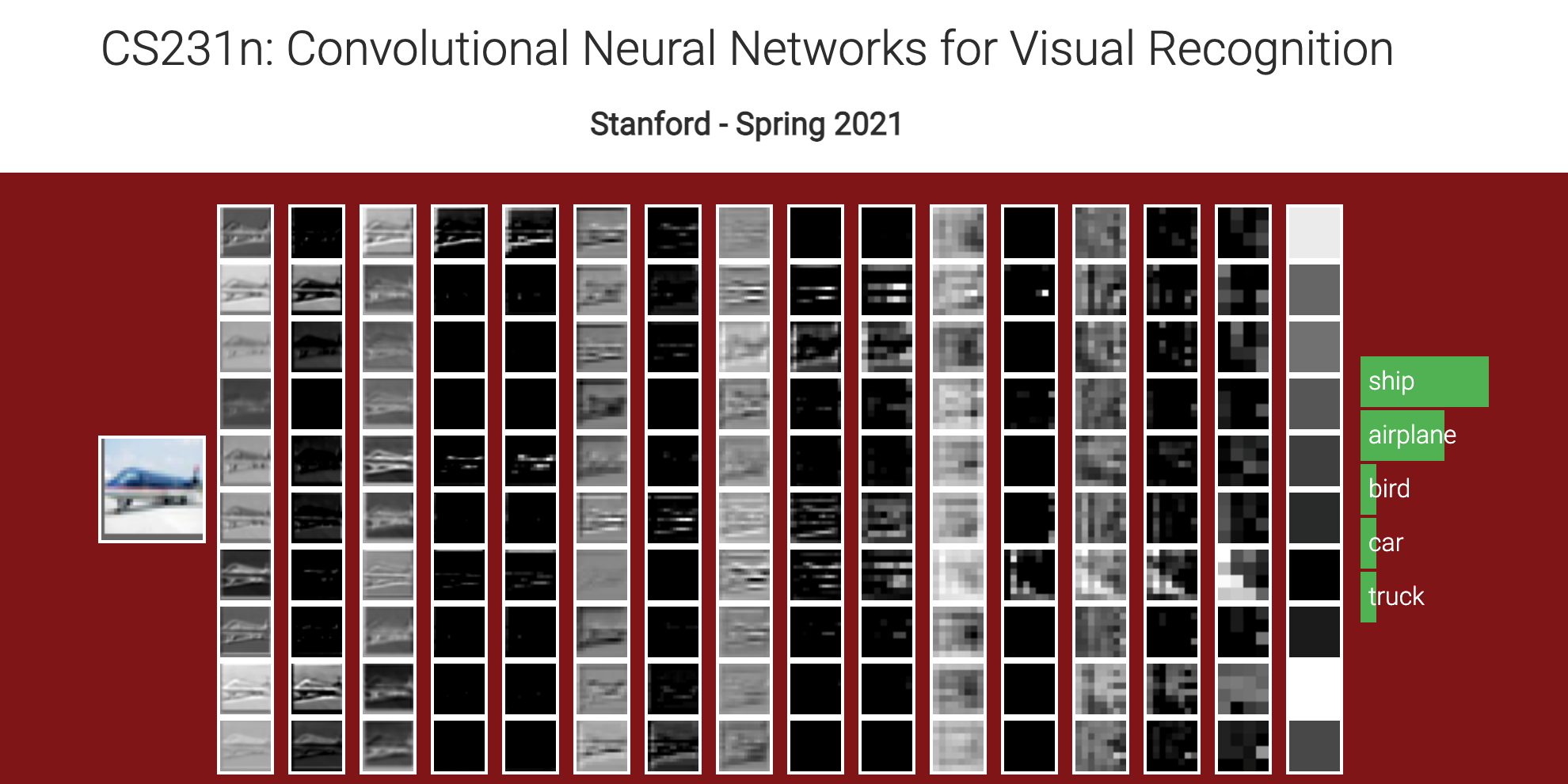
Stanford CS231n: ConvNet for Visual Recognition (Spring 2021)

Teaching Assistant

Academic Services

Conference Reviewer: CVPR 2026, ICML 2024, ICLR 2024, NeurIPS 2023, NeurIPS 2022, ICLR 2022, ICCV 2021, CVPR 2021, ECCV 2020